Cable Laying Problems
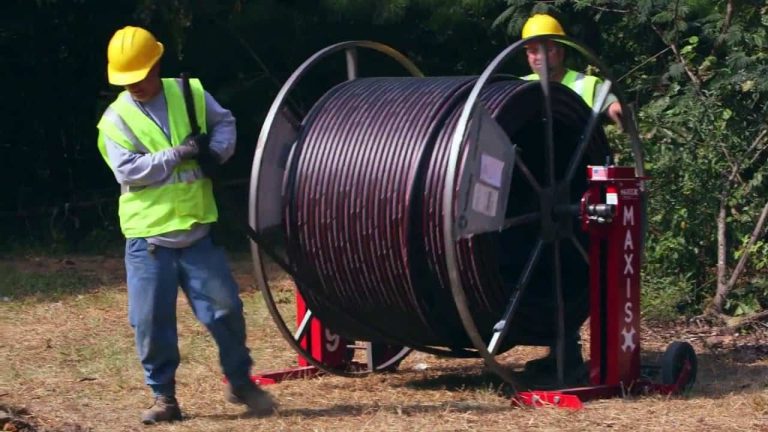
1. What Inspection Work Should Be Carried Out Before The Cable Is Laid?
Answer:
- The bracket should be complete, and the paint should be intact
- The cable type, voltage, and specification are per the design
- You should carry out an inspection to ensure that cable insulation is good. The cable should also be inspected to eliminate any doubt about the sealing of the oil paper cable. It is also essential to test the moisture that the wire will be exposed to
- For direct burial wire and cable and small bottom cable, a DC voltage test should be done to ascertain whether the cable can withstand the current
- Oil-filled cable oil samples should be tested and qualified
- Oil-filled cable oil pressure should not be less than 1.47MPa
2. How To Use A More Straightforward Way To Check The Cable Insulation Paper Moisture When You Have Doubts About Oil Paper Insulated Power Cable Seals?
Answer: The cable insulation paper is lit or put into the cable oil at about 150 ℃ to check, no “hissing” sound or white foam appears, indicating that no moisture
3. What Should Be Displayed On The Cable Signage? What Are The Requirements For Preparation?
Answer: The signage should indicate the cable line design number, cable type, cable specification, start point, and the parallel use of the cable should have the sequence number. Requirements for preparing a wire and cable include clear handwriting and ink that is not easy to fall off.
4. In Which Positions Should The Orientation Mark Of The Direct Buried Cable Be Set?
Answer: At both ends of the wire and cable, at cable joints, specifically at 50~100m cable joints, and at the corner where the cable changes direction
5. How To Drain The Moisture Treatment Before Construction During The Production Of Cable Joints With Yellow Wax Silk Tape, Black Glass Paint Tape, And An Alkali-Free Glass Ribbon?
Answer:
- Thermostatic drying method: insulating tape is rolled into small rolls with a diameter of 25~30mm and put into 110~120℃ thermostatic drying oven for 4~5h. When it is cool dry, it is taken out and put into a dry sealed cylinder.
- Oil immersion and drainage method: insulating tape rolls into a constant temperature of 120 ~ 130 ℃ cable oil from the bottom of the pot to maintain a distance of 30mm. After some time, the oil surface will no longer produce foam after removal. The cable and wire are then loaded into a barrel with cable oil. The oil level should be more than all the objects loaded and should be sealed.
6. What Is The Role Of The Outer Sheath Of The Cable?
Answer: To protect the inner sheath from mechanical damage and chemical corrosion and enhance mechanical strength.
7. What Requirements Should An Outdoor Cable Trench Meet?
Answer: The upper part of the cable trench should be slightly higher than the ground and should have a cover made of concrete. The cable should also be laid flat on the support, and good drainage must be provided in the trench.
8. What Is The Role Of The Inner Cable Sheath?
Answer: It ensures that the wire and cable insulation layer does not contact water, air, or other objects. Essentially, it protects the cable’s insulation from moisture and mechanical damage.
9. What Should I Pay Attention To When Using The Wire Clamp?
Answer: Before use, be sure to check whether the insulation of the wire clamp handle is intact. Also, you cannot use wire pliers to cut more than the specifications allowed by the metal wire. The use of wire pliers instead of hammer knocking tools is encouraged to avoid damage.
10. What Do You Mean By Insulating Strength?
Answer: When the electric field strength increases to a specific limit, the insulating material will eventually break down. Insulating strength is the measure of an insulating material’s ability to withstand electric tension without breakdown.


