
PVC is an acronym that stands for Polyvinyl Chloride. A PVC Cable essentially refers to any electrical cable whose wire insulation or cable jacket is Polyvinyl Chloride material. This type of electrical cable is currently widely used in various electrical applications because PVC has several idyllic properties. What are some of the main properties of Polyvinyl Chloride? The most remarkable properties include chemical resistance, water resistance, heat resistance, sturdiness, resilience and flexibility. PVC has been used to manufacture several electrical cables with a particular set of PVC cable specifications due to its impeccable properties.
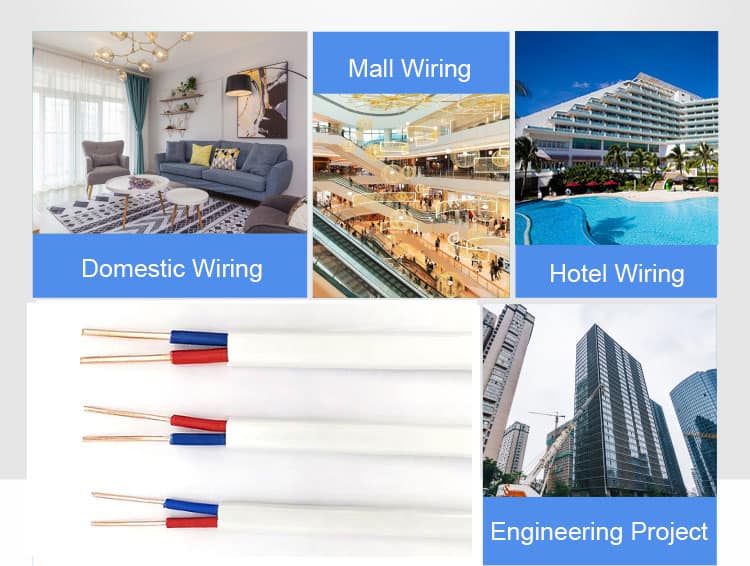
At the moment, people use PVC wires in general home wiring, domestic applications wiring, and internal circuits wiring, among others. Nonetheless, you have to remember that different PVC coated cables suit certain specific purposes. For example, a 2.5mm PVC cable is ideal for internal circuit wiring and socket power supply, whereas; PVC coated wire cable 4mm is ideal for high power ring mains and plugs. Justifiably, you are most likely to find it difficult to distinguish between different types of PVC cables. Thus, it is advisable to seek guidance from the electrical wire vendor when shopping for a PVC insulated cable.
PVC cables are generally known for their versatility, high tensile strength, and impeccable flexibility. Consequently, they are usable in various electrical wiring applications including, domestic appliance wiring, internal circuit wiring and home wiring. However, it is essential to note that there several PVC-type cables. Each type of cable has its specific uses. When buying a PVC cable, you must ensure that the chosen cable type meets your particular needs. There are two types of PVC insulated cables: indoor cables and outdoor electrical cables.
If you intend to do some outdoor wiring, it would be best to go for a PVC armored cable. This type of cable can withstand various external adversities, including attacks from rodents and UV light from the sun. Unfortunately, most people tend to focus on the PVC cable price rather than its intended use. Hence, they end up buying a cheap cable intended for indoor use, yet they intend to use it for outdoor use. Frankly, this is naïve and costly in the long run since they’ll have to replace the cable regularly. It would be best if you always chose a PVC cable whose specifications meet your specific needs regardless of its price.


HOOHA CO., LTD
Your reliable supplier of
Power cable making machine
LAN cable making machine
Optical fiber cable making machine
